
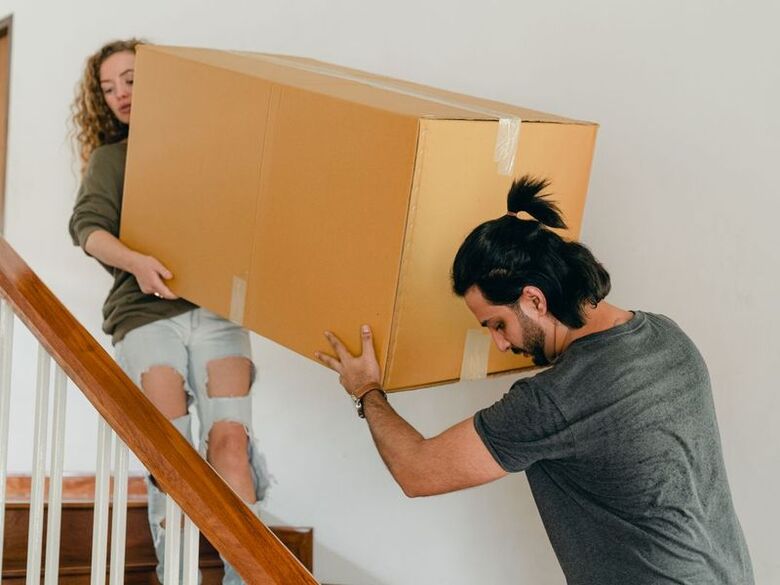
A tower move bears almost no resemblance to carrying boxes into a suburban house. Instead of an empty driveway, you’re dealing with a management office that has a binder of rules, a service elevator shared by the whole building, a loading dock on a clock, and an insurance document that has to be on file before a single mover steps off the truck. Skip any one of them and your crew can be turned around at the curb. We run these jobs constantly — 44 Monroe and Optima Biltmore downtown, Portland on the Park along the light rail, the Mill Avenue towers in Tempe, and the mid-rises around Old Town Scottsdale. Here’s how to clear every hurdle.
Start With the Certificate of Insurance
Nearly every Phoenix high-rise and managed community refuses to let a truck unload until a certificate of insurance is sitting in the management office. The document confirms the mover carries the liability and workers’ coverage the building demands, which shields the elevators, the lobby, and the shared corridors.
Here’s where we have you covered: we’re fully licensed and insured, with USDOT and MC authority on file and $1M cargo coverage, so cutting COIs for buildings is routine on our end. The variable that trips people up isn’t whether we can issue one — it’s when.
The Service Elevator Is Your Whole Schedule
In a tower, everything funnels through one shared freight car, and that single car sets the pace for your whole day. It’s usually the only elevator movers are allowed to touch, and the windows go quickly — the start and end of the month are brutal at places like Optima and Portland on the Park, when leases all roll over at once.
- Reserve the window the moment you can. Buildings hand these out in 2-to-4-hour blocks; ask the office how long your home size honestly takes.
- Sort out the pads. Plenty of buildings insist on quilted pads inside the car, and management usually hangs them for your reserved block.
- Measure the car. A tight freight elevator can force a long sofa into the stairwell instead, and you’d much rather learn that the week before than on the day.

Docks, Heights, and Parking Permits
Buildings downtown, in Midtown, and around the Biltmore almost never let a truck sit on Central Avenue or Camelback Road. You’ll be routed instead toward a dock or a marked loading zone, and the particulars are easy to overlook:
- Clearance height. Some garage entries are too low for a full-size moving truck. Confirm the limit so the right truck is dispatched, not one that gets stuck at the ramp.
- The clock on the zone. Loading areas frequently cap you at a fixed window; a reserved dock and an efficient crew keep you from running over and earning a citation.
- Codes and passes. A handful of buildings gate the dock behind a permit or an access code — collect it from management in advance.
- The walk from dock to car. When the dock sits well away from the elevator, that distance becomes billable time, so tell us up front and we size the crew for it.
The One Call That Prevents Most Headaches
Phone your management office well ahead of the date and lock down every item in the table below. Run this list once and you head off nearly every tower move-day surprise:
| Confirm This | Because |
|---|---|
| COI requirements and deadline | Without it, the crew never gets past the lobby |
| Freight elevator reservation | It locks your unloading window and kills wait time |
| Permitted move-in days and hours | Many towers bar moves on Sundays and holidays |
| Dock location and height cap | It decides truck access and where you park |
| Parking permit or gate code | Keeps you off the ticket list and into the dock |
| Quilted pads in the elevator car | Most towers mandate them to avoid damage charges |
| Move-in fee or deposit | Worth budgeting; a portion is sometimes refundable |
| Key or fob pickup | Confirms you can actually get into the unit |
The tower jobs that fall apart never fall apart over the furniture. It’s always a COI that never got filed or an elevator nobody booked. Square those two away and you’re just carrying boxes. — Gabe Rios, founder
The Phoenix Wrinkle Most Guides Skip: Heat
A tower move stacks delays that a house move never sees — the dock wait, the shared elevator, the long interior carries. In a Phoenix summer that staging time turns into a hazard, because your belongings sit longer in a hot box or on a sun-struck dock. Load heat-sensitive items last, and keep electronics, art, and anything that melts in your own cooled car rather than the truck.
Your Move-Day Checklist for a Tower
- Insurance certificate submitted to the office and signed off.
- A confirmed elevator block held in your name.
- Dock or zone locked in, permit or gate code already collected.
- Allowed move-in days and hours double-checked against house rules.
- Unit keys or fobs picked up ahead of time and tested.
- Cartons marked by room so the truck empties inside your reserved window.
- The office’s day-of phone number stored on your phone.
Where It All Comes Together
A tower move runs smooth when the insurance, the elevator block, and the dock window all click into place together. That coordination is weekly routine for us across the Valley — we issue the certificate, stay strictly within your reserved block, and staff the job to match your access so idle time never lands on your bill. High-rise work sits at the center of what we do; the full rundown lives on our apartment moving page, and East Valley coverage is on the Scottsdale moving page.
Frequently Asked Questions
Will you issue a COI for my Phoenix building?
Yes, all the time — for downtown towers like 44 Monroe and Optima as well as managed complexes across Tempe and Scottsdale. Send your management’s requirements 7 to 10 days ahead and we’ll have the certificate issued, naming the building, before move day at no charge.
Do you handle the freight elevator booking?
We coordinate the elevator window and dock access directly with the building so the crew shows up when the path is reserved. Loop us in on the rules and we’ll build the load around your block.
What if the dock is a long way from the elevator?
That’s standard downtown. We bring dollies and enough hands to keep the pace up, and we fold the building’s layout into the written estimate so the bill holds no surprises.
Can you move a studio in a tower without overstaffing it?
Easily. A small unit gets a lean two-mover crew at $125/hr, so you aren’t paying for movers you don’t need. We size the team to the floor plan and the building’s limits.
Do you protect the lobby and common areas?
Every time. We pad the elevator and lay down protection through lobbies and corridors. A building left in good shape protects your deposit and keeps us welcome — we’re usually back the following week.
High-Rise Move? Leave the Paperwork to Us.
Send the building name and your date. A written flat rate comes back, along with a clear walkthrough of the certificate, the dock, and the elevator so the day runs clean.